
"Brazilian coffee"
9000 article(s) found
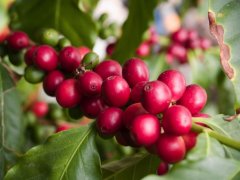
The representative of neutral coffee-Brazilian coffee beans characteristics of Brazilian coffee treatment of Brazilian coffee
Professional coffee knowledge exchange more coffee bean information please follow the coffee workshop (Wechat official account cafe_style) Brazilian coffee is the world's number one coffee producer, coffee beans full particles, mild aroma and bean nature, moderate sour taste, smooth taste, is the representative of neutral coffee, individual taste or mixed with other coffee beans are an excellent choice. From

Brazilian yellow bourbon is what rare coffee varieties Brazilian yellow bourbon production characteristics Introduction Hand brewing method
Professional coffee knowledge exchange More coffee bean information Please pay attention to Coffee Workshop (Weixin Official Accounts cafe_style) Today introduces a bean, Brazilian Queen Manor Yellow Bourbon is different from the general red coffee berry, unique golden pulp, Brazilian Yellow Bourbon makes it rare and delicate. This Brazilian Yellow Bourbon is

Coffee beans are mostly named as the country of production or origin or port of shipment, the origin of Brazilian Santos coffee beans.
For professional baristas, please pay attention to the coffee workshop (Wechat official account cafe_style) Coffee beans are subdivided by the name of the country of production or origin or port of shipment, such as the size or quality of beans, the elevation of the cultivation place and other characteristics, but even if the coffee of the same name, its taste and aroma will still vary due to factors such as harvest year, climate, harvest, or in the refining process.

An introduction to the history of Brazilian coffee, fine coffee, raw beans, Brazilian coffee
Brazilian coffee generally refers to coffee produced in Brazil. There are many kinds of Brazilian coffee, and like other Arabica coffee, Brazilian coffee is called Brazils to distinguish it from Milds coffee. The vast majority of Brazilian coffee is unwashed and sun-dried and is classified according to the name of the state of origin and port of transport. Brazil has 21 states and 17 states produce coffee, but four of them produce the most coffee.

Brazilian Coffee with mellow Flavor: introduction to Brazilian Fine Coffee
Brazilian coffee generally refers to coffee produced in Brazil. There are many kinds of coffee in Brazil. Like other Arabica coffee, Brazilian coffee is called Brazilian coffee Brazils to distinguish it from Milds coffee. The vast majority of Brazilian coffee is unwashed and sun-dried and is classified according to the name of the state of origin and port of transport. Brazil has 21 states and 17 states produce coffee, but among them

History of the Origin and Development of Brazilian Coffee beans Flavor and taste characteristics of Brazilian Arabica coffee beans
Professional coffee knowledge exchange more coffee bean information please follow the coffee workshop (Wechat official account cafe_style)

Introduction to the flavor and taste of Brazilian coffee beans the characteristics of Brazilian coffee beans Brazilian coffee estate
As the largest coffee producer in the country, Brazil supplies commercial beans and fine beans for the global coffee market. Instant coffee is also a critical component of coffee production in Brazil. Western coffee grows mostly at the height of 2000-3000 feet feet, about 500-100m. There are also heights up to 4000 feet, about 1200 m. However, absolutely pay other East Africa, Central and South America need manufacturing countries, easily 5000 feet

Brazilian Coffee Manor introduces the flavor characteristics of Brazilian coffee beans in St. Hedwig Manor.
Professional coffee knowledge exchange more coffee bean information please follow the coffee workshop (Wechat official account cafe_style) Central and South America is the world's largest coffee producing region, the amount of output here clearly affects the size of the global coffee production, among them, Brazilian coffee is the largest country in Central and South America and the largest coffee producer. Brazilian coffee can account for up to 30% of the global output.

Flavor characteristics of Brazilian Coffee beans introduction of Brazilian Coffee Culture by graded production area
Brazil coffee beans Brazil is the most important coffee producing area in the world, accounting for 1% of the total output of coffee beans in the world. Brazil has 10 states that produce coffee beans. Due to differences in region and climate, the quality of Brazilian coffee beans is inevitably mixed. Therefore, Brazilian coffee beans are classified into No.1-No.3,Screen18,Sc grades.

Flavor and taste characteristics of Brazilian coffee moderate baking nutty flavor Brazilian Queen Manor Coffee beans how to flush by hand
Brazilian coffee suits the taste of the public. For example, coffee produced in the northern coastal areas has a typical iodine taste, reminiscent of the sea after drinking. This coffee is exported to North America, the Middle East and Eastern Europe. Another kind of coffee that is interesting and worth looking for is washed Bahia. This kind of coffee is not.

Flavor and taste characteristics of Brazilian coffee beans introduction to the historical story of coffee yield, production time, variety classification
Following Cafe Review (Wechat public account vdailycom) found that Beautiful Cafe opened a small shop with Brazilian coffee beans. Brazilian coffee is mostly Arabica, and the main varieties are Brubon, Mudona, Calaba and Raoukejimi. The current situation of coffee has been naturally favoured and has been cultivated in new places inland, and the state of Banana was born in Brazil after the war.

What is the best coffee in Brazil? description of taste and flavor of Brazilian coffee
Professional coffee knowledge exchange more coffee bean information please follow coffee workshop (Wechat official account cafe_style) Qianjie Coffee-Brazilian Coffee introduction Brazil, is currently the world's largest coffee producer, coffee production accounts for about 30% of the world, directly affecting the world coffee prices. Brazilian coffee is supple, low-sour, slightly sweet and balanced, although it doesn't make people special at first.

There are several brands of Brazilian coffee. Brazilian Santos Santos Coffee. Is Brazilian coffee expensive?
Professional coffee knowledge exchange more coffee bean information please follow the coffee workshop (Wechat official account cafe_style) Brazil, is currently the world's largest coffee producer, accounting for about 1/3 of the world's total production. There are 26 states and 1 federal district in the country, and 17 states produce coffee, including Parana, Sao Paulo and Miraguillas.

Differences, distinctions and awards of individual beans in Brazilian coffee
Exchange of professional baristas please follow the coffee workshop (Wechat official account cafe_style) Brazilian coffee individual bean differences, distinction and award situation in addition, 80% of Brazilian coffee is dried coffee, the remaining 20% is semi-dried and washed. Its coffee taste characteristics are different, but high-quality coffee slightly tends to use semi-dry treatment. However, drying treatment

The flavor of Brazilian coffee beans describes the historical characteristics of taste cultivation.
Professional baristas please pay attention to the coffee workshop (Wechat official account cafe_style) Brazilian coffee taste Brazilian coffee is a low-acidity, medium-roasted coffee beans from the World Coffee Center. As a kind of high-quality coffee, Brazilian coffee can be drunk individually or mixed. ● quality beans: Sangdo-style NO.2, size NO.18 ● flavor characteristics: mild, bitter medium,

Brazilian Sheraton taste, Brazilian Syrador coffee flavor
Following Cafe Review (official Wechat account vdailycom) found that Brazilian Coffee, which opened a small shop in Fairview Cafe, had a low sour taste, matched with the sweet and bitter taste of coffee, and had a slight grassy aroma, with a slightly bitter taste in the fragrance, smooth taste and pleasant aftertaste. There are no outstanding advantages for Brazilian coffee.

Introduction to the characteristics, taste and origin of Brazilian coffee
Professional baristas exchange please follow the coffee workshop (Wechat official account cafe_style) Brazilian coffee characteristics of Brazilian coffee generally refers to the coffee produced in Brazil. There is a wide variety of Brazilian coffee, the vast majority of which are unwashed and sun-dried, classified according to the name of the state of origin and the port of transport. Brazil has 27 states and 17 states produce coffee, but 4 of them produce coffee.

History, culture, stories and allusions of Brazilian coffee boutique beans
For the exchange of professional baristas, please pay attention to the coffee workshop (Wechat official account cafe_style) the history and culture of Brazilian coffee boutique beans, stories and allusions the Brazilian coffee industry Brazil's main coffee growing area two large bags of coffee beans on coffee plantations in the state of Minas Gerais, taken in the state of Sao Paulo, Brazil's coffee industry accounts for about 1/3 of the world's total output, is the current world.

The characteristic varieties and flavors of Brazilian Coffee describe the planting History
Professional baristas exchange please follow the coffee workshop (Wechat official account cafe_style) Brazilian coffee characteristics of Brazilian coffee generally refers to the coffee produced in Brazil. There is a wide variety of Brazilian coffee, the vast majority of which are unwashed and sun-dried, classified according to the name of the state of origin and the port of transport. Brazil has 27 states and 17 states produce coffee, but four of them produce the most coffee.

Brazilian coffee beans origin and classification Brazilian Minas coffee beans are not good
Professional coffee knowledge exchange More coffee bean information Please pay attention to coffee workshop (Weixin Official Accounts cafe_style) At present, Brazil has 2 million hectares of land used to grow coffee, the largest of which is more than 70% Arabica. These beans will finally be sent to large roasters in various countries, which is known as Santos (named after the export port santos port, not the production area). After 2000, because